How Planning Helps Achieve Financial Success
Discover how the world's wealthiest people use strategic planning and goal setting to maximize their productivity and achieve extraordinary success.
The world's wealthiest people place incredible value on their time — they clearly understand: it's our most precious resource. They're organized, capable of holding multiple contexts in their minds, and achieve success by taking precise, intentional actions. To reach this level, they often set clear goals and write detailed to-do lists for specific time periods, maximizing their time management efficiency.
But what truly separates successful entrepreneurs from most people is determination. The ability to stay committed to achieving their goals despite many attempts — many of which fail — isn't a built-in feature we all have. However, this skill can and should be developed.
The key factor for achieving success in business is effective time allocation. While this doesn't guarantee you'll avoid mistakes, defining clear goals is the foundation from which all task planning flows.
Setting Clear Goals
Goals are the foundation of effective planning. Without clear, well-defined goals, you're just busy, not productive. The world's most successful people understand that goal setting isn't just about writing down what you want — it's about creating a roadmap for where you're going.
When you have clarity about your goals, every decision becomes easier. You can evaluate opportunities, prioritize tasks, and allocate your time based on what moves you closer to your objectives.
From Goals to Plans
Once we've clarified our goals and the steps we need to accomplish them, it's time to incorporate them into our plans: monthly, weekly, or even more detailed daily plans.
Breaking down your goals into actionable plans transforms abstract aspirations into concrete steps. Here's how successful people approach it:
- Monthly plans: Set the big picture objectives for the month ahead
- Weekly plans: Break monthly goals into weekly milestones
- Daily plans: Create specific action items for each day

This hierarchical approach ensures that your daily actions are always aligned with your bigger goals, creating a clear path from where you are to where you want to be.
The Power of Taking Action
Of course, simply creating a plan doesn't guarantee success. We need to take action. However, the ability to mark completed actions and acknowledge your progress brings psychological satisfaction and joy. This positive reinforcement creates a cycle of motivation that keeps you moving forward.
Research shows that tracking your progress and celebrating small wins activates the brain's reward system, releasing dopamine and creating positive associations with goal achievement. This is why successful people are so committed to their planning systems — they've experienced firsthand how it fuels their motivation and productivity.
Building Determination
Determination isn't something you're born with — it's a skill you develop through practice. Every time you stick to your plan despite obstacles, every time you get back on track after a setback, you're strengthening your determination muscle.
The key is to start small and build consistency. Don't try to overhaul your entire life overnight. Instead, focus on creating one good planning habit, then another, and another. Over time, these habits compound into the kind of determination that separates successful entrepreneurs from everyone else.
How Planning Creates Success
Planning doesn't just organize your tasks — it fundamentally changes how you approach success. When you have a clear plan, you're not reacting to circumstances; you're proactively shaping your future. This shift from reactive to proactive thinking is what separates achievers from dreamers.
Successful people understand that planning creates several powerful advantages:
- Clarity of direction: When you know exactly where you're going, every decision becomes easier. You can quickly evaluate whether an opportunity aligns with your goals or distracts from them.
- Reduced decision fatigue: By planning ahead, you eliminate countless small decisions throughout your day, preserving mental energy for the choices that truly matter.
- Momentum building: Each completed task builds on the previous one, creating a compounding effect that accelerates your progress over time.
- Resilience: When setbacks occur (and they will), a solid plan provides a roadmap back to your path, preventing you from getting lost or giving up.
- Measurable progress: Planning allows you to track your advancement, providing tangible evidence of your growth and keeping you motivated during challenging periods.

The most successful people don't just plan — they plan strategically, review regularly, and adjust continuously. This iterative process of planning, executing, and refining is what transforms ambitious goals into achieved realities.
Setting Financial Goals
Financial success requires the same strategic planning approach, but with a specific focus on your monetary objectives. Whether you're saving for a major purchase, building an emergency fund, paying off debt, or investing for the future, setting clear financial goals is the first step toward achieving them.
Effective financial goal setting involves:
- Defining specific targets: Instead of "save more money," set concrete goals like "save $10,000 for a down payment by December" or "pay off $5,000 in credit card debt within 12 months."
- Breaking down into milestones: Large financial goals can feel overwhelming. Break them into monthly or quarterly milestones that feel achievable and keep you motivated.
- Tracking progress regularly: Review your financial progress weekly or monthly. This visibility helps you stay accountable and make adjustments when needed.
- Aligning with big (life) goals: Your financial goals should support your broader life objectives. Whether it's early retirement, starting a business, or providing for your family, connect your financial planning to your deeper values.
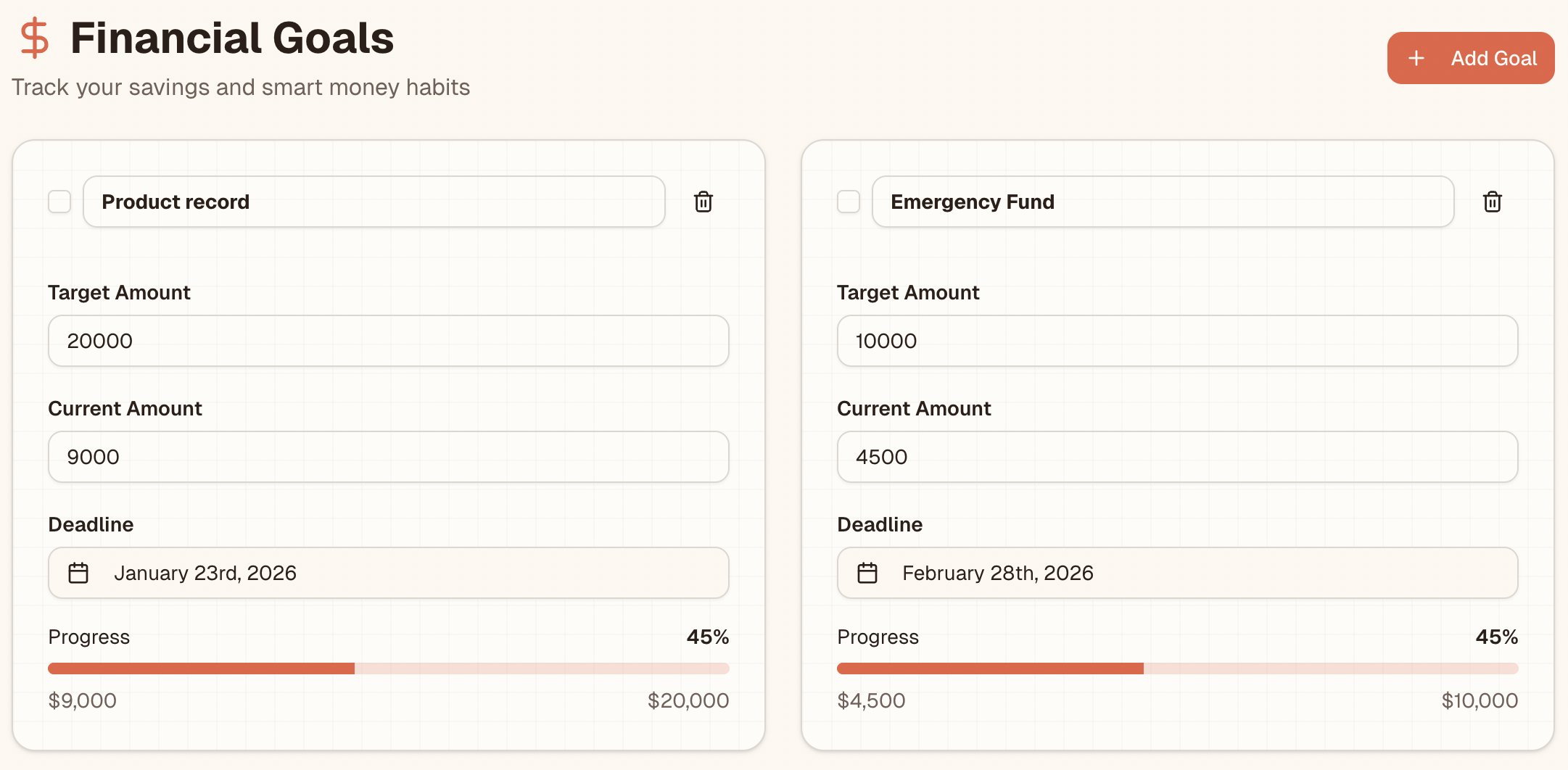
Using a dedicated financial planner can help you organize your financial goals, track your progress, and maintain clarity about your monetary objectives. Just like successful entrepreneurs use planning systems for their businesses, you can use structured financial planning to achieve your money goals.
Start Your Planning Journey
So don't delay: set your goals and plan their execution! The path to financial success and personal achievement isn't mysterious — it's planned. Start with clarity about what you want, break it down into actionable steps, and then take consistent action every single day.
Remember, the world's wealthiest people weren't born with special planning abilities. They developed them through practice, persistence, and a commitment to continuous improvement. We can do the same. Start from big goals today, set your financial objectives, and watch how strategic planning transforms not just your productivity, but your entire approach to achieving your dreams.