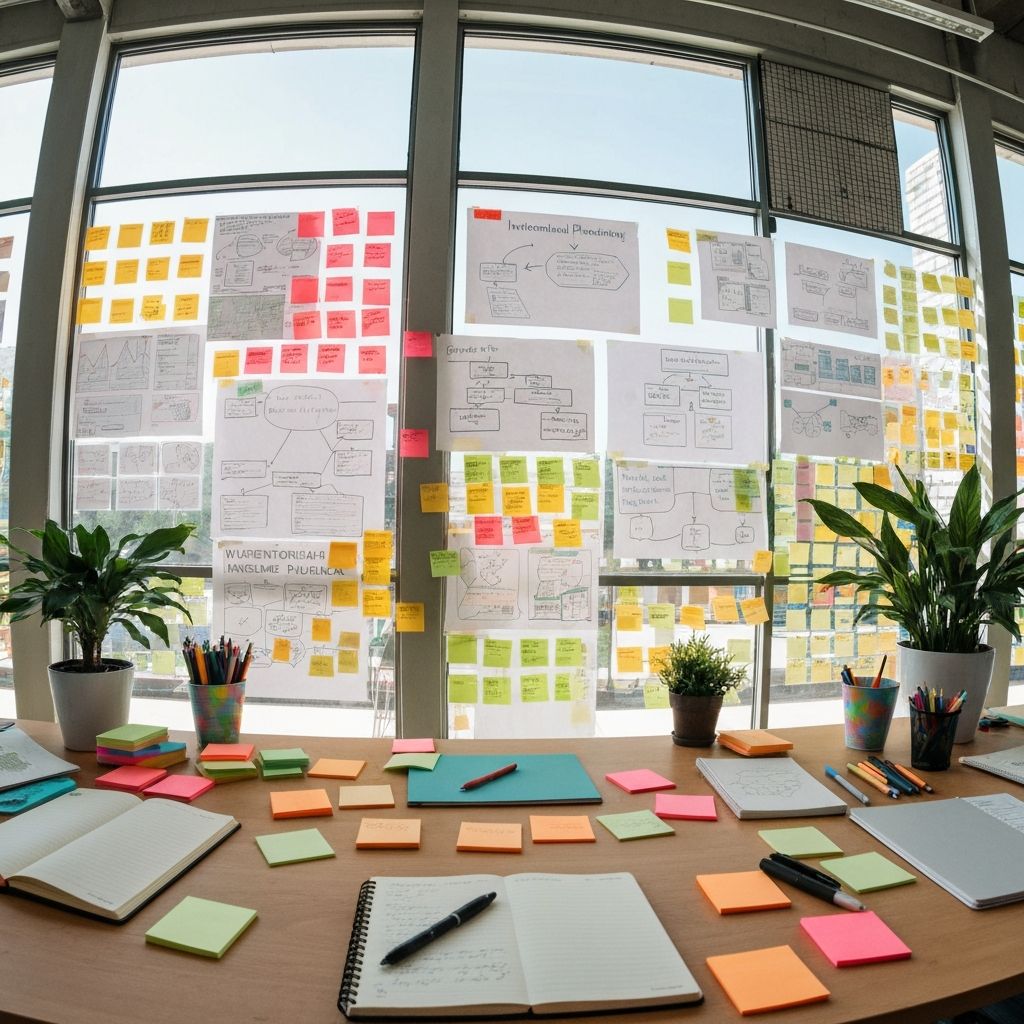
How to Make a Moodboard That Actually Helps You Achieve Your Goals
Discover how creating a moodboard or vision board can transform your goal-setting process. Learn the science behind visualization and practical steps to build a vision for your next year that actually works.
You've probably heard about moodboards and vision boards — those beautiful collages of images, quotes, and dreams that we create to visualize our goals. But do they actually work? And more importantly, how do we make a moodboard that doesn't just sit in a corner gathering dust, but actually helps us achieve our goals?
The answer might surprise you. Research shows that visualization isn't just wishful thinking — it's a powerful tool that can rewire our brain, boost motivation, and significantly increase our chances of achieving our goals. But there's a right way and a wrong way to do it.
In this guide, we'll discuss the science behind moodboards, why they work, and how to create one that actually helps us build a clear vision for the next year and achieve our goals.
Why Moodboards Work: The Science Behind Visualization
Before we dive into how to make a moodboard, let's understand why they work. The power of visualization isn't just motivational fluff — it's backed by neuroscience and psychology.
Our Brain Can't Tell the Difference
When we visualize achieving a goal, our brain activates the same neural pathways as when we actually experience it. Studies using fMRI scans show that visualizing an action lights up the same brain regions as performing that action.
This means when we look at our moodboard every day and see images of our ideal life, our brain starts to believe it's already happening. This creates a powerful psychological shift that makes our goals feel more achievable and real.
Visualization Increases Motivation
When we can see our goals clearly — literally see them in images and visuals — our brain releases dopamine, the motivation chemical. This creates a positive feedback loop:
- We see our moodboard → We feel motivated
- We feel motivated → We take action
- We take action → We make progress
- We make progress → We feel more motivated
This cycle is why those of us who use moodboards consistently report higher motivation and better goal achievement rates.
Clarity Breeds Action
One of the biggest reasons we don't achieve our goals is lack of clarity. When our goals are vague ("I want to be successful" or "I want to be happier"), our brain doesn't know what actions to take.
But when we create a moodboard with specific images — a photo of our dream home, a picture of us running a marathon, an image of our ideal workspace — our brain gets clear signals about what we want. This clarity makes it easier to identify the specific actions we need to take.
The Problem: Why Most Moodboards Don't Work
Despite the science, many of us create moodboards that don't help us achieve our goals. Here's why:
1. They're Too Vague
A moodboard filled with generic "inspiration" images doesn't give our brain clear signals. If every image is just "pretty" or "aspirational" without being specific to our goals, our brain won't know what to focus on.
2. They're Out of Sight, Out of Mind
If we create a physical moodboard and hang it in a room we rarely visit, or create a digital one we never look at, it won't help us. Visualization only works when we actually see it regularly.
3. They're Not Connected to Action
A moodboard that exists in isolation — disconnected from our actual planning and goal-setting — is just pretty pictures. It needs to be part of a system that helps us break down our vision into actionable steps.
4. They're Static
Our goals evolve. Our vision changes. A moodboard that we create once and never update becomes outdated and loses its power. The most effective moodboards are living documents that evolve with us.
How to Make a Moodboard That Actually Works
Now that we understand why moodboards work and why most don't, here's how to create one that actually helps us achieve our goals:
Step 1: Start With Your Goals, Not Random Images
Before you start collecting images, get clear on your goals. What do you want to achieve in the next year? What does your ideal life look like? What specific outcomes are you working toward?
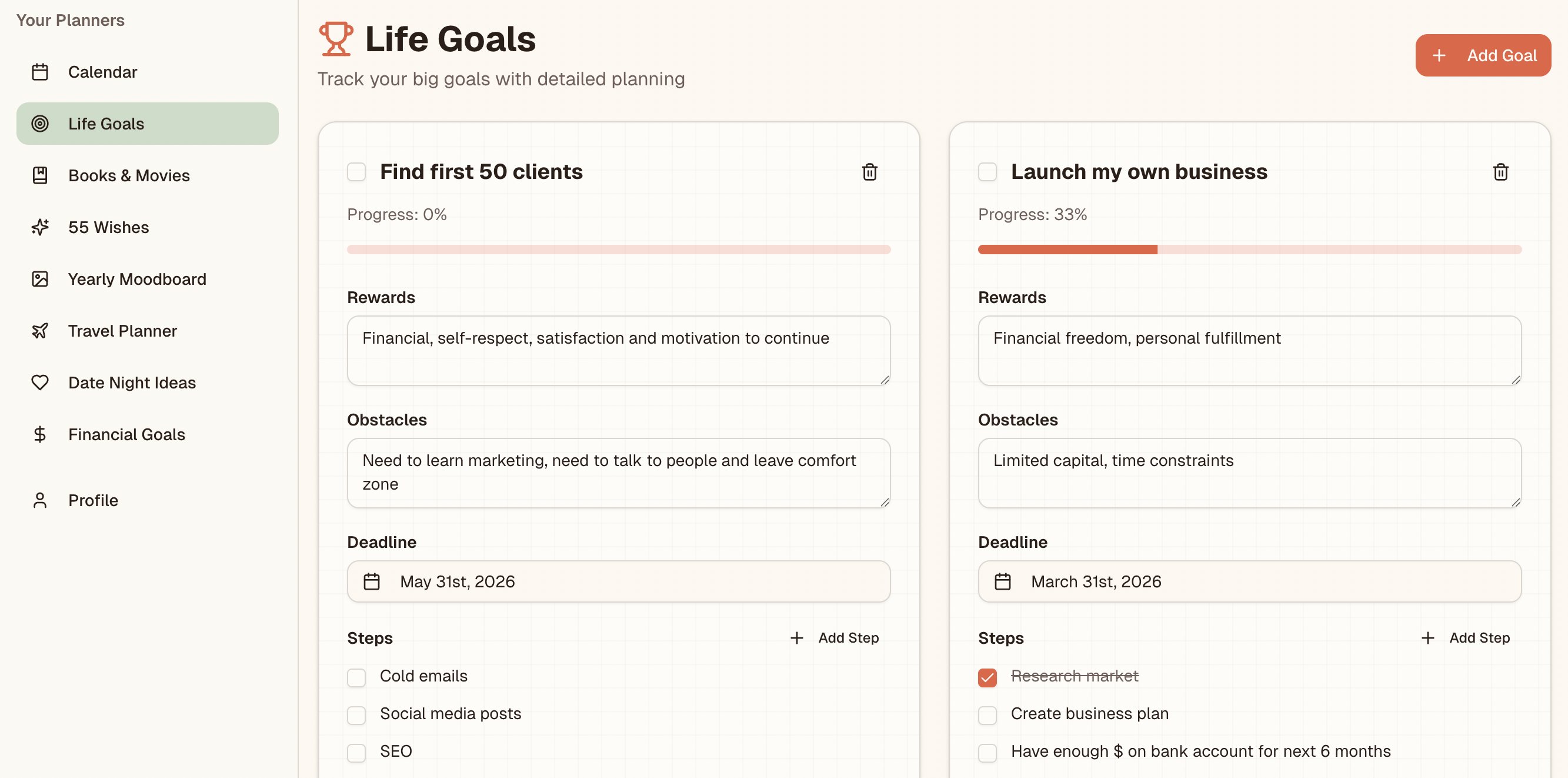
Write down your goals first, then find images that represent those specific goals. This ensures your moodboard is aligned with what you actually want, not just what looks good.
Step 2: Be Specific, Not Generic
Instead of generic "success" or "happiness" images, use specific visuals:
- Instead of: A generic image of a beautiful home
- Use: A photo of a home that matches your specific style, location, or features you want
- Instead of: A stock photo of someone "being successful"
- Use: An image that represents your specific definition of success (your ideal workspace, a specific achievement, a lifestyle you want)
The more specific our images, the clearer the signal to our brain, and the more likely we are to take action.
Step 3: Include Multiple Life Areas
A well-rounded moodboard includes visuals for different areas of your life:
- Career & Professional: Your ideal work environment, achievements, or professional goals
- Health & Fitness: Your ideal physical state, activities you want to do, or health goals
- Relationships: The kind of connections you want, experiences with loved ones, or relationship goals
- Financial: Financial security, specific purchases, or financial goals
- Personal Growth: Skills you want to learn, experiences you want to have, or personal development goals
- Home & Environment: Your ideal living space, organization, or environment
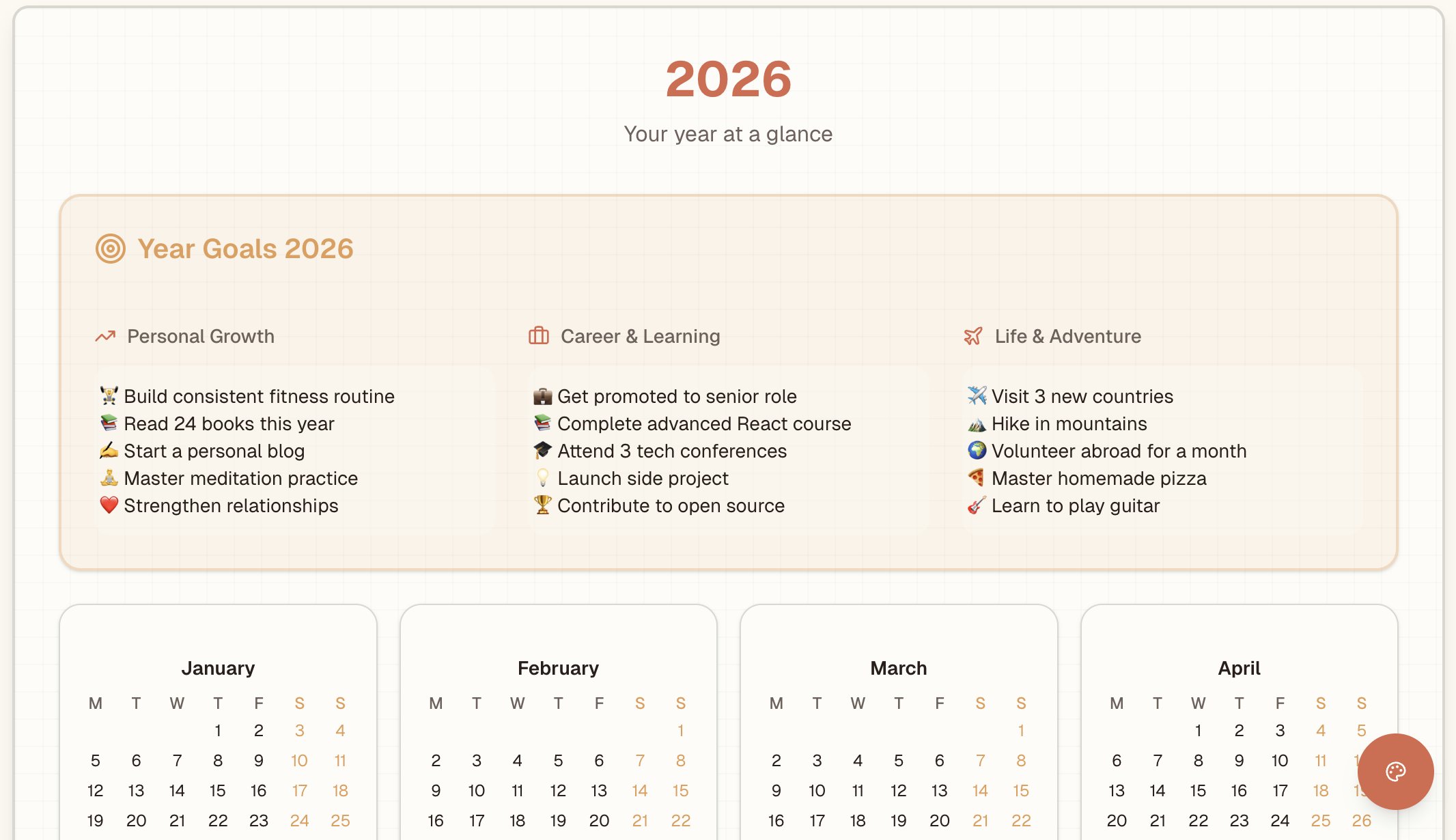
This holistic approach ensures the moodboard represents a complete vision, not just one aspect of our life.
Step 4: Make It Visible and Accessible
The moodboard needs to be somewhere we'll see it regularly. If you create a physical moodboard, hang it where you'll see it daily — your bedroom, office, or a space you frequently see.
If you create a digital moodboard, make it easily accessible. Use a tool that integrates with your planning system so you can see it alongside your goals and daily actions.
Step 5: Connect It to Action
This is the most important step — and the one most of us skip. The moodboard shouldn't exist in isolation. It needs to be connected to our actual goal-setting and planning process.
Here's how:
- Break down your vision into goals: Look at your moodboard and identify the specific goals it represents
- Create actionable steps: For each goal, break it down into milestones and daily actions
- Schedule regular reviews: Look at your moodboard weekly or monthly and check your progress
- Update as you evolve: As you achieve goals or your vision changes, update your moodboard
When your moodboard is connected to your planning system, it becomes a powerful tool for both motivation and execution.
Building Your Vision for the Next Year
As you approach a new year, creating a moodboard is one of the most powerful ways to set your vision and direction. Here's a practical framework:
Reflect on the Past Year
Before you create your vision for next year, take time to reflect on the past year. What worked? What didn't? What did you learn? What do you want to carry forward? What do you want to leave behind?
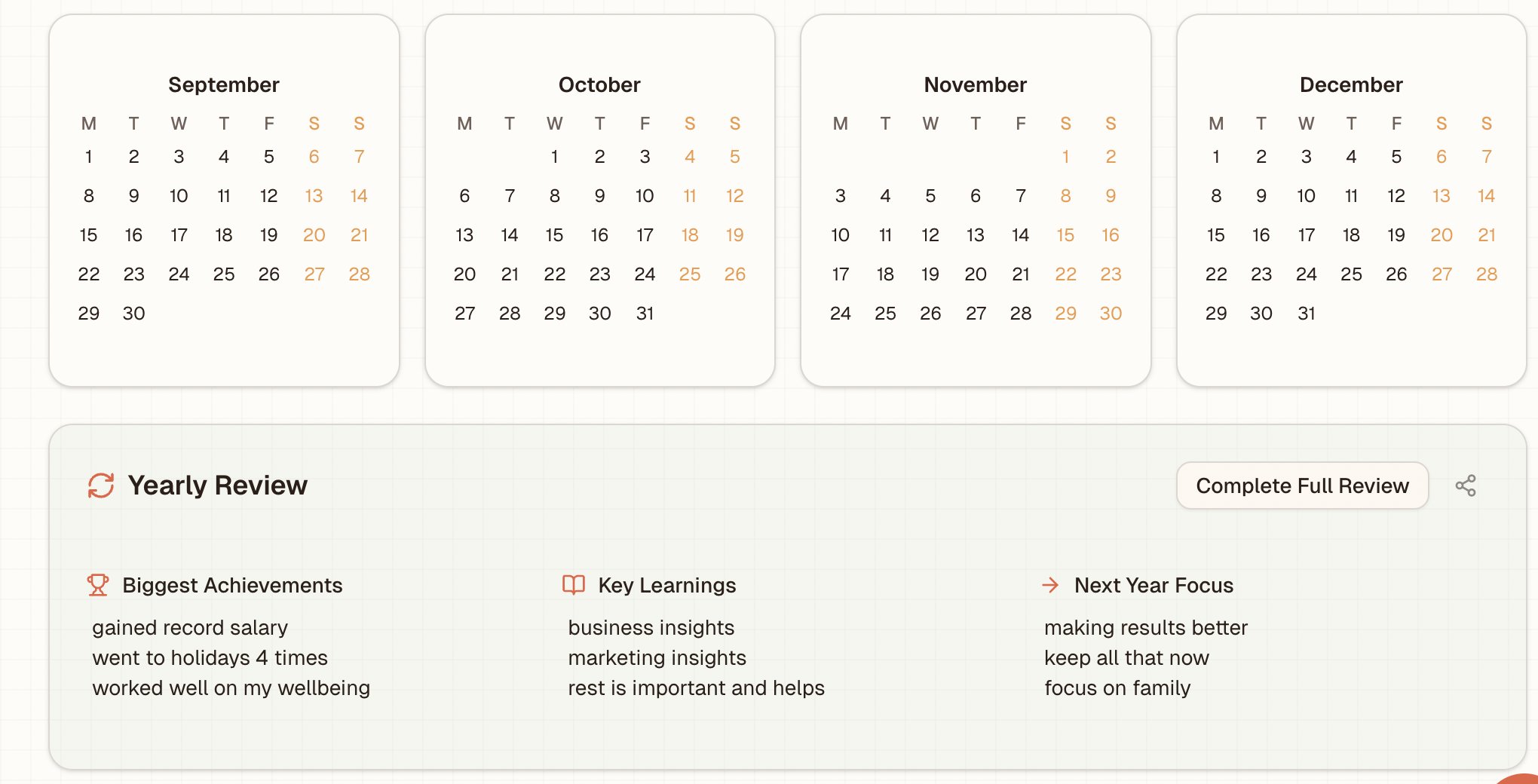
This reflection helps you create a vision that's informed by your actual experience, not just wishful thinking.
Identify Your Core Values
Your moodboard should reflect your core values. If you value freedom, include images that represent freedom. If you value connection, include images of meaningful relationships. If you value growth, include images of learning and development.
When your moodboard aligns with your values, it creates a deeper emotional connection and stronger motivation.
Set Specific Goals for Each Area
For each life area on your moodboard, set specific goals. Instead of "I want to be healthier," try "I want to run a 5K by June" or "I want to do yoga three times per week."
Then find images that represent those specific goals. This creates a clear connection between your vision (moodboard) and your execution (goals).
Create a Timeline
Your moodboard can represent your vision for the entire year, but break it down into quarters or months. What do you want to achieve in the first three months? The next three? The entire year?
This timeline helps you prioritize and focus, so you're not trying to achieve everything at once.
The Digital Advantage: Why a Digital Moodboard Works Better
While physical moodboards can be beautiful and inspiring, digital moodboards offer several advantages:
Always Accessible
A digital moodboard is always with you — on your phone, tablet, or computer. You can look at it anytime, anywhere, which means you're more likely to see it regularly and benefit from the visualization effect.
Easy to Update
As your goals evolve and you achieve milestones, you can easily update your digital moodboard. Tick ones that are achieved off. Add new images, remove ones that no longer resonate, or reorganize to reflect your current priorities.
Integrated With Your Planning
When the moodboard is part of our planning system, we can see it alongside our goals, daily actions, and progress. This integration creates a powerful connection between your vision and your execution.
Private and Secure
Your moodboard is personal. A digital moodboard in a private, encrypted planner ensures your vision stays private and secure, so you can be completely honest about what you want.
How Planami's Moodboard Module Helps You Achieve Goals
Planami's Moodboard module is designed specifically to help you create a vision that actually works. Here's how it solves the common problems with moodboards:
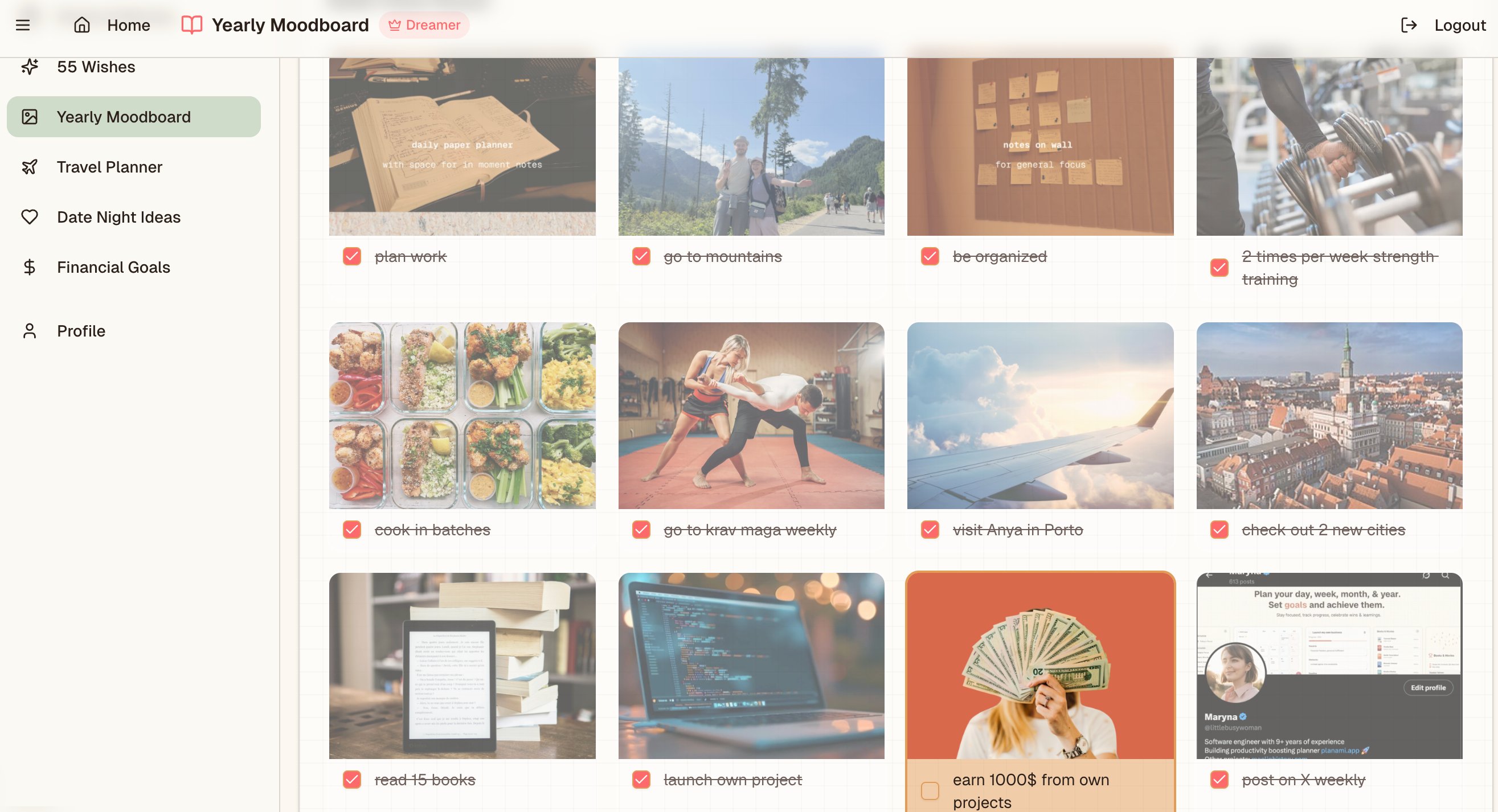
Integrated With Your Goals
Unlike standalone moodboard tools, Planami's Moodboard is integrated with your Life Goals, Financial Goals, and other planning modules. This means your vision is always connected to your actual goals and actions.
When you look at your moodboard, you can see how it connects to your goals. When you work on your goals, you can see how they connect to your vision. This integration creates a powerful feedback loop that keeps you motivated and on track.
Always Visible
Your moodboard is just one click away in your planner. You can access it anytime you're planning, reviewing goals, or just need a moment of inspiration. This regular visibility ensures you're benefiting from the visualization effect daily.
Easy to Update
Planami's Moodboard module makes it easy to add images, organize them, and update your vision as your goals evolve. You can upload images directly drag-drop or paste, organize them by life area, and keep your vision current.
Private and Secure
All your data in Planami, including your moodboard, is private and secure. This privacy allows you to be completely honest about what you want.
Part of a Complete System
Your moodboard isn't just pretty pictures — it's part of a complete planning system that helps you:
- Set clear goals based on your vision
- Break goals down into actionable steps
- Track progress toward your vision
- Review and adjust as you evolve
This system ensures your moodboard translates into actual achievement, not just inspiration.
Practical Steps: Creating Your Moodboard in Planami
Ready to create a moodboard that actually helps you achieve your goals? Here's how to do it in Planami:
1. Start With Reflection
Before you add any images, take time to reflect on your goals and vision. What do you want to achieve in the next year? What does your ideal life look like? What specific outcomes are you working toward?
2. Set Your Goals First
Use Planami's Big Goals module to set your main life goals. This gives you clarity about what you want to achieve, which makes it easier to find images that represent those goals.
3. Collect Images for Each Goal
For each goal, find images that represent it specifically. Be concrete — not generic inspiration, but specific visuals that show what achieving that goal looks like.
4. Organize by Life Area
Organize your images by life area (career, health, relationships, financial, etc.). This helps you see your complete vision and ensures you're not focusing on just one aspect of your life.
5. Review
Make it a habit to look at your moodboard weekly or at least monthly. Check your progress toward your goals and see how your actions align with your vision.
6. Update if needed
As you achieve goals or your vision evolves, you may want to update your moodboard. Keep it current so it continues to inspire and guide you. Goals may change, and it's OK to remove the ones which are no longer relevant and put the ones that inspire you.
The Psychology of Visualization: Why It Works
Understanding the psychology behind visualization helps you use it more effectively:
The Reticular Activating System (RAS)
Your brain has a filter called the Reticular Activating System that determines what you notice. When you create a moodboard and look at it regularly, you're programming your RAS to notice opportunities related to your goals.
For example, if your moodboard includes images of running, you'll start noticing running-related opportunities, events, or resources that you might have missed before. This is why people who use moodboards often report "coincidences" that help them achieve their goals.
Emotional Connection
Images create an emotional connection that words alone can't. When you see a picture of your dream home or your ideal lifestyle, you feel something. This emotional connection creates stronger motivation than abstract goals.
Identity Shift
When you visualize yourself achieving your goals, you start to see yourself as the kind of person who achieves those goals. This identity shift is powerful — you start acting in alignment with who you're becoming, not just who you are now.
Common Mistakes to Avoid
As you create your moodboard, avoid these common mistakes:
1. Using Only Other People's Success
While it's fine to be inspired by others, make sure your moodboard includes images that represent YOUR specific goals and vision, not just generic success stories.
2. Being Too Vague
Generic "inspiration" images don't give your brain clear signals. Be specific about what you want, and find images that represent those specific goals.
3. Setting It and Forgetting It
A moodboard you create once and never look at won't help you. Make it a habit to review your moodboard regularly and update it as your goals evolve.
4. Disconnecting It From Action
Your moodboard should inspire action, not replace it. Make sure it's connected to your goal-setting and planning process, so you're taking steps toward your vision, not just dreaming about it.
5. Focusing on Material Things Only
While material goals are valid, make sure your moodboard includes experiences, relationships, personal growth, and other non-material aspects of your ideal life.
Your Vision for the Next Year Starts Now
Creating a moodboard isn't just about collecting pretty pictures — it's about building a clear vision for your future and using the power of visualization to achieve your goals.
When done right, a moodboard can:
- Increase your motivation and focus
- Help you identify specific actions to take
- Keep you aligned with your values and goals
- Create a positive feedback loop that drives achievement
- Make your goals feel more real and achievable
The key is to make it specific, keep it visible, connect it to action, and update it regularly. When your moodboard is part of a complete planning system — like Planami — it becomes a powerful tool for both vision and execution.
As you approach the new year, take time to create a moodboard that represents your vision. Reflect on what you want, set specific goals, find images that represent those goals, and integrate your vision into your daily planning.
Your future self is counting on you to build a clear vision now. With the right moodboard and planning system, you can turn that vision into reality — one goal, one action, one day at a time.
Start building your vision today with Planami's moodboard and see how a moodboard integrated with your planning system can transform your goal achievement. Your perfect life starts now — make it count.