From Analog to Digital: Making the Transition
Learn how to embrace digital planning while maintaining the warmth of paper-based systems.
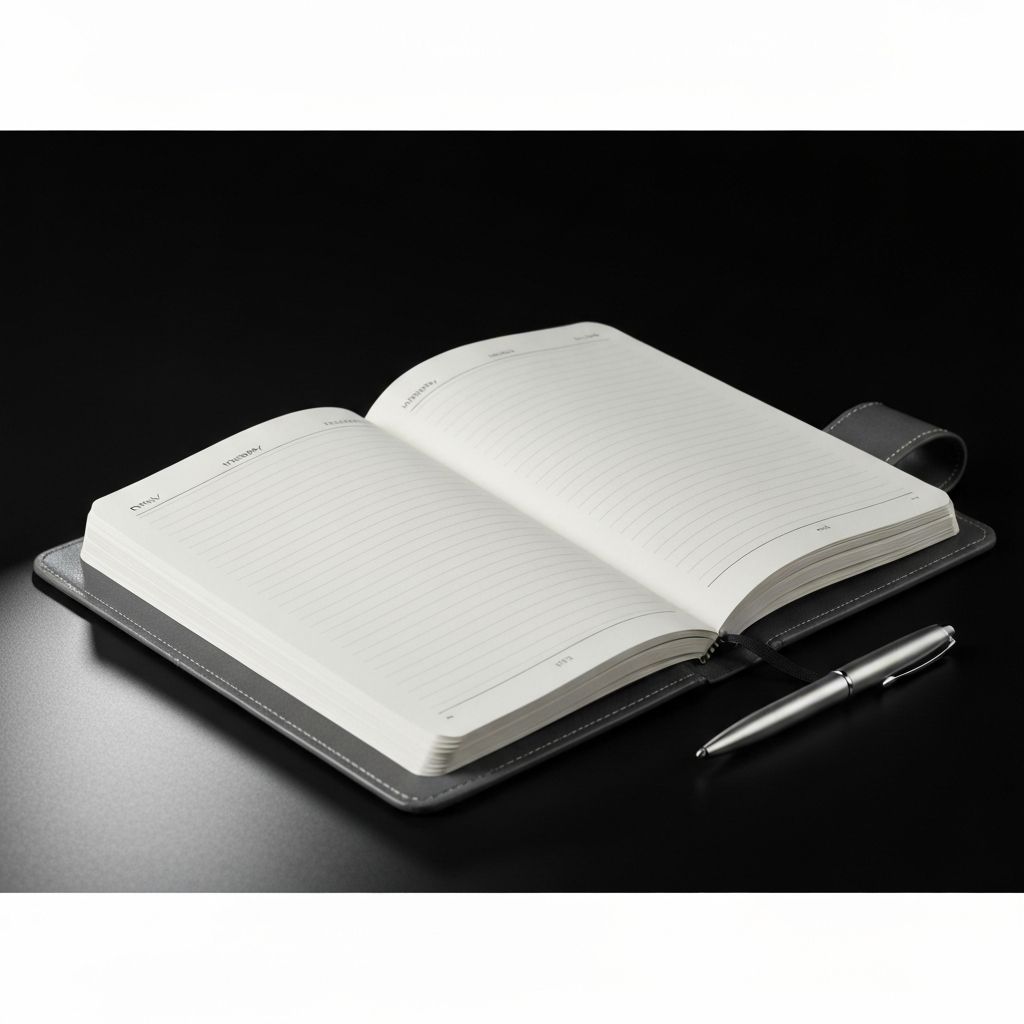
There's something undeniably special about the feel of pen on paper, the sound of pages turning, and the visual satisfaction of a beautifully filled planner. But digital planning offers benefits that are hard to ignore. The good news? You don't have to choose one or the other.
Why Make the Transition?
If you're reading this, you probably love your paper planner. Maybe you have a collection of beautiful notebooks, favorite pens, and a ritual around your planning time. That's wonderful — and you don't have to give it up completely.
However, digital planning offers some compelling advantages:
- Accessibility: Your plans are available on any device, anywhere, anytime
- Searchability: Find any note, goal, or entry in seconds with a simple search
- Flexibility: Easily reorganize, edit, and update without starting over
- Backup: Your data is automatically saved and backed up
- Space: No more carrying multiple notebooks or running out of pages
Embracing Change Gradually
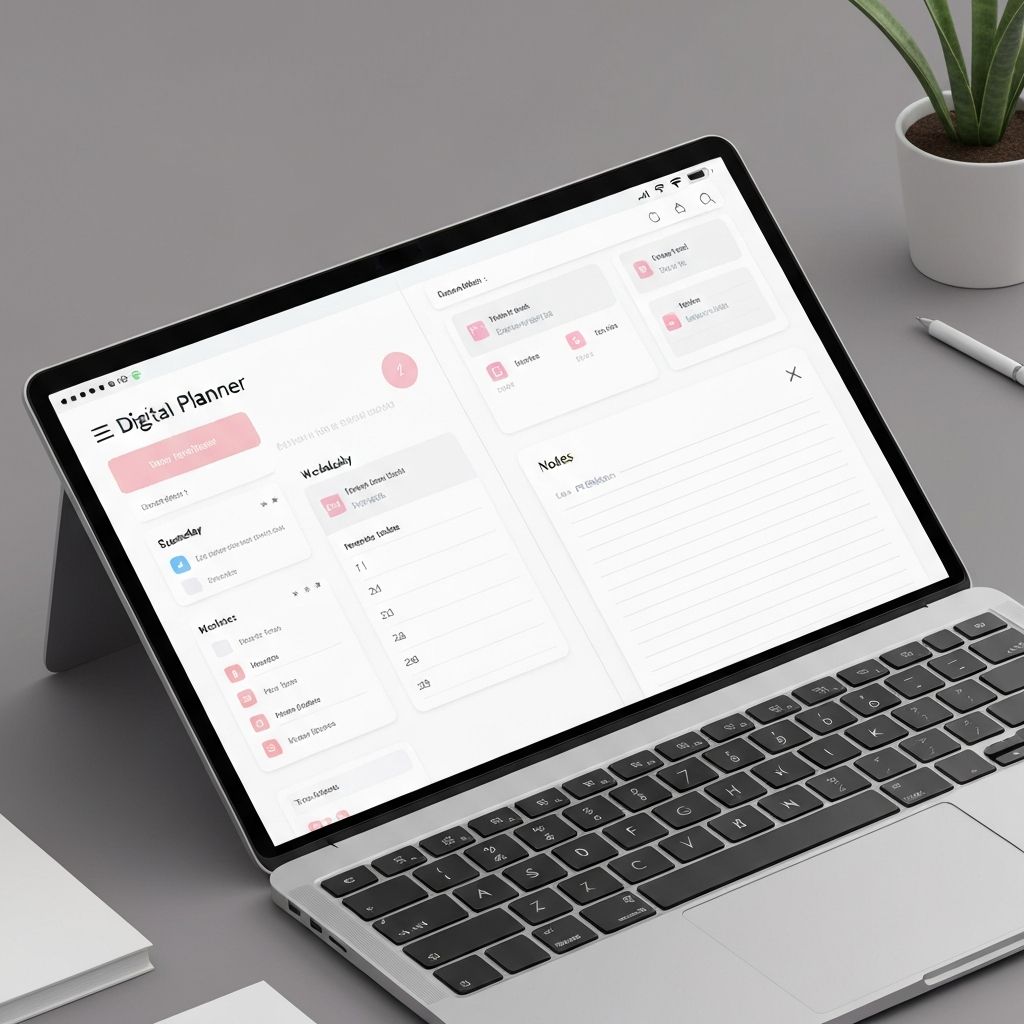
Making the transition doesn't have to be all-or-nothing. In fact, a gradual approach often works best. Start by identifying which aspects of planning you want to digitize first:
- Task management: Digital task lists are easier to update and prioritize
- Calendar events: Digital calendars sync across devices and send reminders
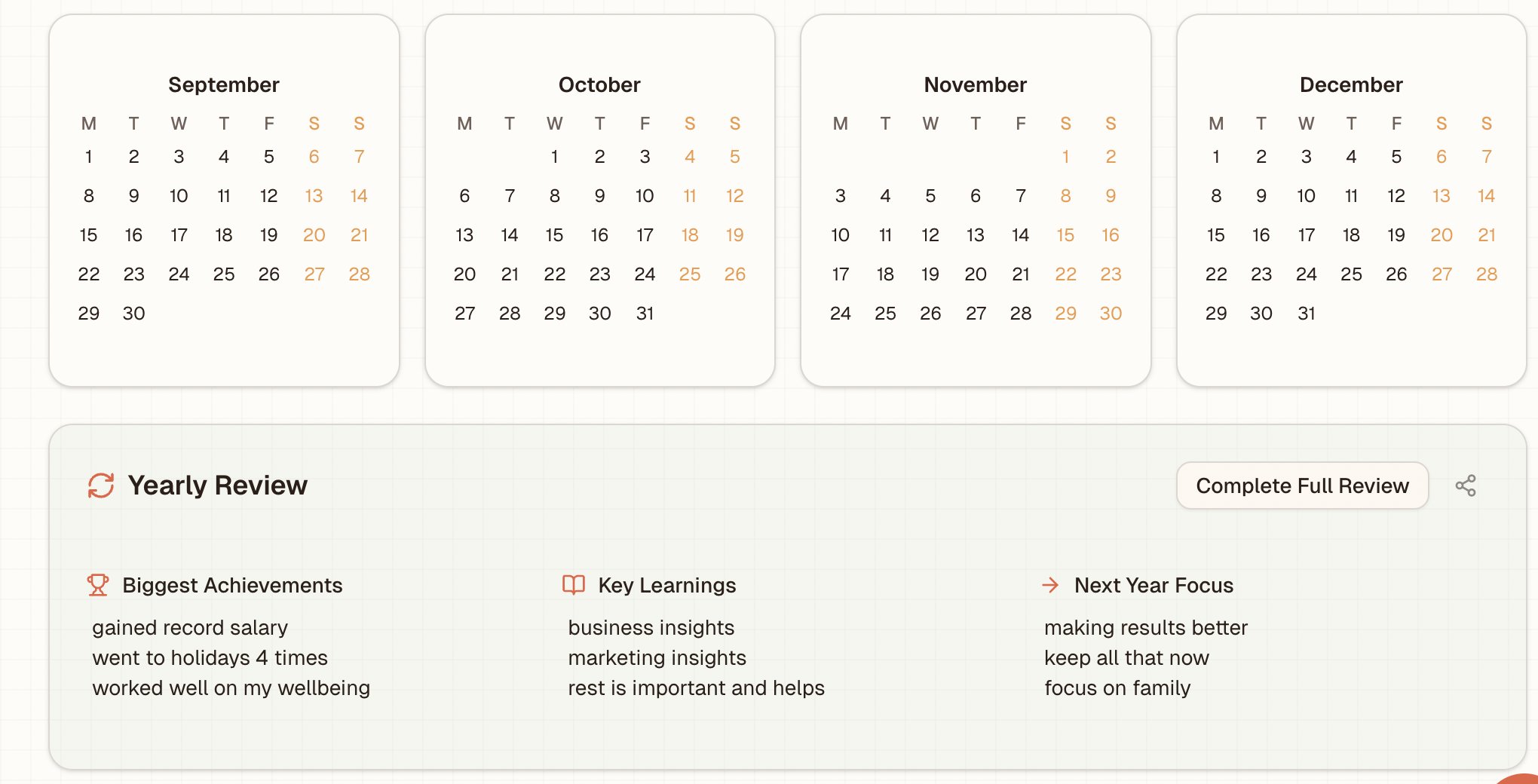
- Long-term goals: Digital systems make it easier to track progress over time
- Notes and ideas: Digital notes are searchable and never get lost
You might keep your daily journaling or creative brainstorming in a physical notebook while moving your scheduling and task management to digital tools.
Finding Your Balance: The Hybrid Approach
Many successful planners use a hybrid approach that combines the best of both worlds. Here are some strategies:
Morning Ritual on Paper
Start your day with a physical journal for morning pages, gratitude, or intention setting. This preserves the meditative, tactile experience you love while keeping your schedule digital.
Weekly Planning Session
Use a physical planner for your weekly overview and big-picture planning, then use digital tools for daily task management and calendar events.
Creative Work on Paper, Organization Digital
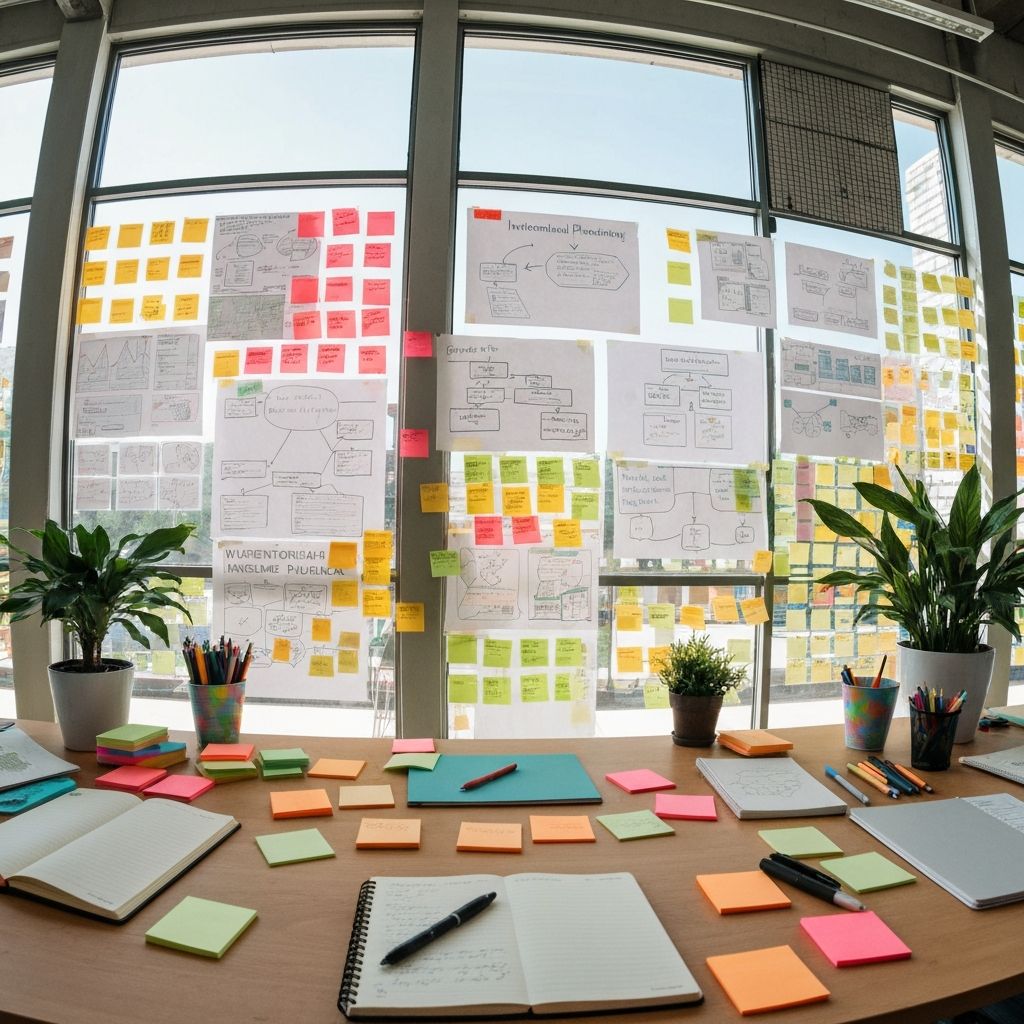
Do your brainstorming, mind mapping, and creative planning on paper, then transfer actionable items to your digital system.
Maintaining the Warmth
The key to a successful transition is maintaining the personal, meaningful aspects of planning that drew you to paper in the first place. Here's how:
- Personalize your digital space: Use custom colors, fonts, and layouts that feel like "you"
- Keep the ritual: Maintain your planning time and routine, just with a different tool
- Add personal touches: Use emojis, stickers, or custom images to make digital planning feel more personal
- Don't over-optimize: Keep some flexibility and spontaneity in your system
Digital Advantages You'll Love
Once you get comfortable with digital planning, you'll discover benefits you didn't expect:
- Time travel: Easily look back at what you accomplished months or years ago
- Pattern recognition: Digital tools can help you spot patterns in your habits and productivity
- Collaboration: Share calendars and plans with family or team members
- Integration: Connect your planning system with other tools you use
Making the Switch
If you're ready to make the transition, start small. Choose one area of your planning to digitize first, and give yourself time to adjust. Remember, there's no "right" way to plan — only what works for you.
The goal isn't to replace the joy of paper planning, but to enhance your planning practice with tools that make your life easier and more organized. You can always keep your favorite notebook for the things that matter most, while letting digital tools handle the rest.
After all, the best planning system is the one you'll actually use consistently — whether that's paper, digital, or a beautiful combination of both.